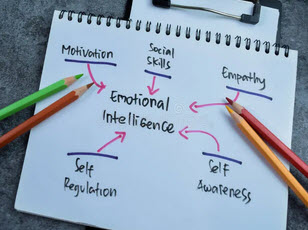
In today’s fast-paced world, success is often attributed to intelligence, skills, and hard work. However, there is another critical factor that plays a significant role in achieving personal and professional success: emotional intelligence. Understanding and developing emotional intelligence can be the key to unlocking your full potential and building strong, meaningful relationships in every aspect of your life.
What is Emotional Intelligence?
Emotional intelligence (EI) is the ability to recognize, understand, and manage your own emotions and those of others. It involves being aware of your emotional state, empathizing with others, and responding to situations in a balanced and thoughtful manner. Emotional intelligence is not just about being nice or emotionally expressive; it’s about being in control of your emotions and using them to guide your thinking and actions.
Emotional Intelligence in Professional Settings
In the workplace, emotional intelligence is a powerful tool that can enhance your effectiveness and lead to greater career success. For example, a manager with high emotional intelligence can navigate challenging situations with empathy and calm, fostering a positive work environment. They can recognize when a team member is struggling and offer support, or they can manage conflicts by addressing the underlying emotions of all parties involved.
Example of Good Use:
- Scenario: A team member misses a deadline, causing a delay in a project.
- EI Response: Instead of reacting with frustration, a manager with high emotional intelligence would approach the situation with empathy. They might ask the team member about any challenges they faced and work together to find a solution. This approach not only resolves the issue but also builds trust and respect within the team.
Example of Lack of EI:
- Scenario: A manager yells at the team member for missing the deadline, without understanding the reasons behind it.
- Consequence: This reaction creates a hostile work environment, damages relationships, and decreases team morale, leading to lower productivity and engagement.
Emotional Intelligence as a Parent
As a parent, emotional intelligence is crucial in fostering healthy relationships with your children. It enables you to understand your child’s emotions and respond in a way that nurtures their emotional development. Children learn how to manage their own emotions by observing how you manage yours.
Example of Good Use:
- Scenario: Your child is upset about losing a game at school.
- EI Response: Instead of dismissing their feelings, you acknowledge their disappointment and encourage them to talk about it. You help them understand that it’s okay to feel upset and guide them in finding ways to cope with these emotions.
Example of Lack of EI:
- Scenario: You tell your child to stop crying and that they’re overreacting.
- Consequence: This response invalidates your child’s emotions, leading to suppressed feelings and potentially affecting their emotional development. It may also damage the trust between you and your child.
Emotional Intelligence in Relationships
In relationships, emotional intelligence helps you connect with others on a deeper level. It enables you to communicate effectively, resolve conflicts peacefully, and build strong, lasting bonds. When both partners in a relationship possess high emotional intelligence, they are more likely to understand each other’s needs and emotions, leading to a more fulfilling relationship.
Example of Good Use:
- Scenario: Your partner is feeling stressed about work and becomes distant.
- EI Response: Instead of taking it personally, you recognize that their behavior is due to stress. You offer support and create a space where they feel comfortable sharing their feelings, which strengthens your relationship.
Example of Lack of EI:
- Scenario: You accuse your partner of not caring about you because they seem distant.
- Consequence: This lack of understanding can lead to unnecessary arguments and a breakdown in communication, potentially damaging the relationship.
Benefits of Using Emotional Intelligence
- Improved Relationships: By understanding and empathizing with others, you can build stronger, more meaningful relationships.
- Better Decision-Making: Emotional intelligence allows you to manage your emotions and think clearly, leading to more rational and effective decisions.
- Increased Resilience: With high emotional intelligence, you can better cope with stress and bounce back from setbacks.
- Enhanced Communication: Emotional intelligence improves your ability to communicate effectively, fostering collaboration and reducing conflicts.
Disadvantages of Not Using Emotional Intelligence
- Damaged Relationships: A lack of emotional intelligence can lead to misunderstandings, conflicts, and broken relationships.
- Poor Decision-Making: When emotions are not managed, they can cloud judgment and lead to impulsive or irrational decisions.
- Increased Stress: Without emotional intelligence, it’s difficult to cope with stress effectively, leading to burnout and emotional exhaustion.
- Missed Opportunities: Failure to recognize and manage emotions can result in missed opportunities for personal growth and professional advancement.
The Role of Emotional Intelligence in Manifesting
Emotional intelligence plays a significant role in the process of manifesting your desires. Manifestation relies on aligning your thoughts, emotions, and actions with your goals. High emotional intelligence allows you to stay in tune with your emotions, ensuring they are positive and aligned with what you want to attract.
For example, if you’re trying to manifest a new career opportunity, maintaining a positive emotional state is crucial. Emotional intelligence helps you recognize and shift any negative emotions, such as doubt or fear, that may arise. It also enables you to stay focused and motivated, even in the face of challenges.
In contrast, a lack of emotional intelligence can hinder the manifestation process. Negative emotions like frustration or impatience can create resistance, blocking the flow of positive energy needed to attract your desires. By developing emotional intelligence, you can harness the power of your emotions to manifest the life you want.
Conclusion
Emotional intelligence is a vital skill that impacts every aspect of your life—professionally, as a parent, and in your relationships. By cultivating emotional intelligence, you can improve your interactions with others, make better decisions, manage stress effectively, and achieve your personal and professional goals. It also plays a crucial role in the process of manifestation, helping you align your emotions with your desires to attract the life you envision.
Embrace the journey of developing your emotional intelligence, and watch how it transforms your life in powerful and positive ways. Whether you’re looking to build stronger relationships, advance in your career, or manifest your dreams, emotional intelligence is the key to unlocking your full potential.